

monitoring
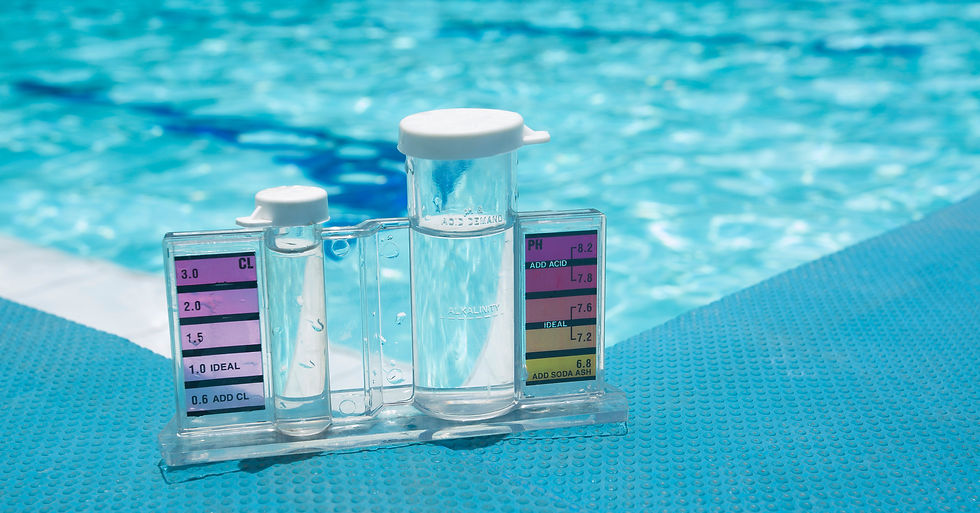
To provide safe and dependable drinking water, the purification process must be regularly monitored. There are multiple tools to monitor the efficacy of water purification systems. Water is sensitive and easily contaminated. Thus, it is critical to apply monitoring tools to verify the efficacy and quality of water purification systems. Water purification system monitoring tools provide real-time assessment, modification, and maintenance, guaranteeing that the treated water satisfies the needed criteria.
01
Determine Monitoring Goals and Objectives: Identify the precise aims and targets of the water monitoring program. This might entail determining regulatory compliance, locating pollution sources, monitoring long-term trends, or measuring the efficiency of water treatment procedures.
02
Selecting Monitoring Sites: Pick suitable sample sites that reflect the desired water sources. Take into account elements including accessibility for sample, proximity to possible sources of contamination, and the variety of water's physical features.
03
Define Sampling Frequency: Establish how frequently water samples will be taken. The frequency may change depending on the monitoring objectives, seasonality, and legal restrictions. It could involve daily, weekly, monthly, or quarterly sampling.
04
Develop a Sampling Plan: Lay up a thorough sampling strategy that includes the precise measurements to be made, the sampling strategies to be applied, and the equipment required. Consider elements like sample size, sample preservation, and quality control procedures.
05
Collecting Water Samples: Use proper sampling methods to gather samples. To avoid contamination, use sterile, thoroughly clean sampling containers. As an example, depth-integrated sampling for sediment analysis or grab samples for chemical analysis are particular protocols to follow.
06
Transport and Preserve Samples: To ensure the sanitation of the water samples while they are being transported to the lab, they should be handled, transported, and preserved properly. Use the preservation techniques that are advised for certain criteria, such as refrigeration, the addition of preservatives, or prompt examination for particular volatile components
07
Data analysis and interpretation: After the laboratory analysis is finished, carefully examine the data that were produced. Compare the outcomes to any applicable regulatory restrictions, standards, or guidelines for water quality. Analyze the data to find any patterns, excesses, or possible problems that could call for additional action.
08
Reporting and Communication: Create a thorough report that includes a summary of the monitoring results, the methodology used, the results, and any recommendations or next steps. Inform the public, regulatory agencies, and any appropriate parties as necessary about the results.
09
Continuous Monitoring and Adaptation: Establish a routine monitoring schedule to guarantee ongoing evaluation of water quality. The monitoring strategy should be periodically reviewed and updated in light of new information, evolving situations, or growing concerns.